Understanding Mahjong: A blend of Tradition and Modernity
Mahjong is more than just a game. Originating from China, it combines skill, strategy, and calculation and is often accompanied by an element of chance. Traditionally played with tiles, it has transcended generations and cultural boundaries to capture the fascination of players worldwide.
The Origins
Dating back to the Qing dynasty, Mahjong's history is steeped in cultural significance. Initially a pastime for the elite, it gradually permeated through different layers of society to become a staple in households across Asia. Its spread can be attributed to its intricate structure, which challenges the mind while offering a communal gaming experience.
Gameplay Dynamics
At its core, the aim of Mahjong is to build sets and match tiles, which may sound simple but requires a strategic approach to master. Played typically by four players, each is dealt a hand of tiles. The objective is to be the first to achieve a complete hand, usually consisting of four sets and a pair. Sets can be 'pungs' (three identical tiles) or 'chows' (a sequence of three consecutive numbers in the same suit).
The Tiles
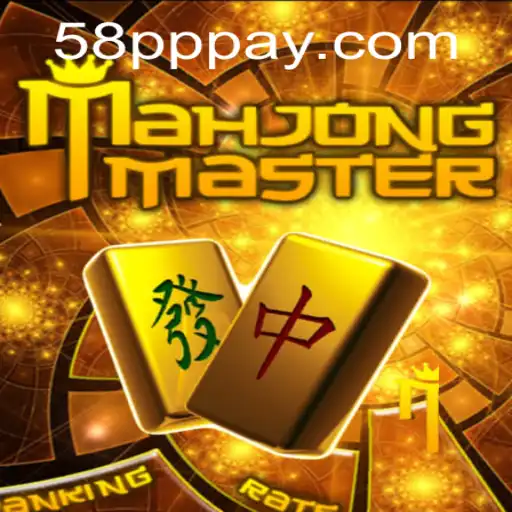
A standard Mahjong set contains 144 tiles based on Chinese characters and symbols. These are divided into three categories: 'suits', 'honors', and 'bonus'. Suits are further segmented into bamboo, circles, and characters, each ranging from one to nine. Honor tiles include winds and dragons, while bonus tiles feature flowers and seasons.
Basic Rules
- Drawing and Discarding: Players draw and discard tiles in turns to either form sets or improve their hands.
- Winning: To win, known as 'Mahjong', a player must complete their hand with 14 tiles arranged into valid sets.
- Special Plays: Certain plays, such as declaring a 'kong' (a set of four identical tiles), add depth and complexity to the game.
Mahjong in the Digital Age
With the rise of online gaming, platforms like 58PP.COM have played a pivotal role in revitalizing Mahjong for the digital audience. Offering varied versions and an opportunity to play against opponents worldwide, these platforms ensure that the traditional charm of Mahjong is experienced by a global audience. The accessibility and convenience of online Mahjong have attracted new enthusiasts while keeping veterans engaged.
Cultural Impact and Modern Relevance
The significance of Mahjong extends beyond its rules or a mere pastime. In many cultures, it's embedded in rituals, social gatherings, and celebrations. Today, Mahjong is witnessing a resurgence, often highlighted in events, films, and popular media, bringing attention to its cultural richness and strategic depth.
Conclusion
As Mahjong navigates through the tides of modernization, it stands as a symbol of cultural endurance and adaptability. Whether played at a traditional table or through a digital platform, the game continues to challenge and entertain, proving its timeless appeal among enthusiasts worldwide.